Buying your first home can feel exciting, intimidating, and a little overwhelming all at once. If you are hoping to buy in North Las Vegas, you are probably wondering how much home you can afford, what the process looks like, and where costly mistakes tend to happen. This guide walks you through the key steps, local numbers, and due diligence points that matter most so you can move forward with more confidence. Let’s dive in.
Why North Las Vegas Draws First-Time Buyers
North Las Vegas often stands out for buyers who want a lower entry point than nearby cities. Recent public market snapshots place the city around the low-$400,000s, with Redfin reporting a median sale price of $418,749 and Zillow showing an average home value of $408,306 and a median sale price of $402,667.
That matters when you are comparing options across the valley. Recent Redfin snapshots put Las Vegas at $449,000 and Henderson at $489,707, which means North Las Vegas comes in roughly $30,251 lower than Las Vegas and about $70,958 lower than Henderson.
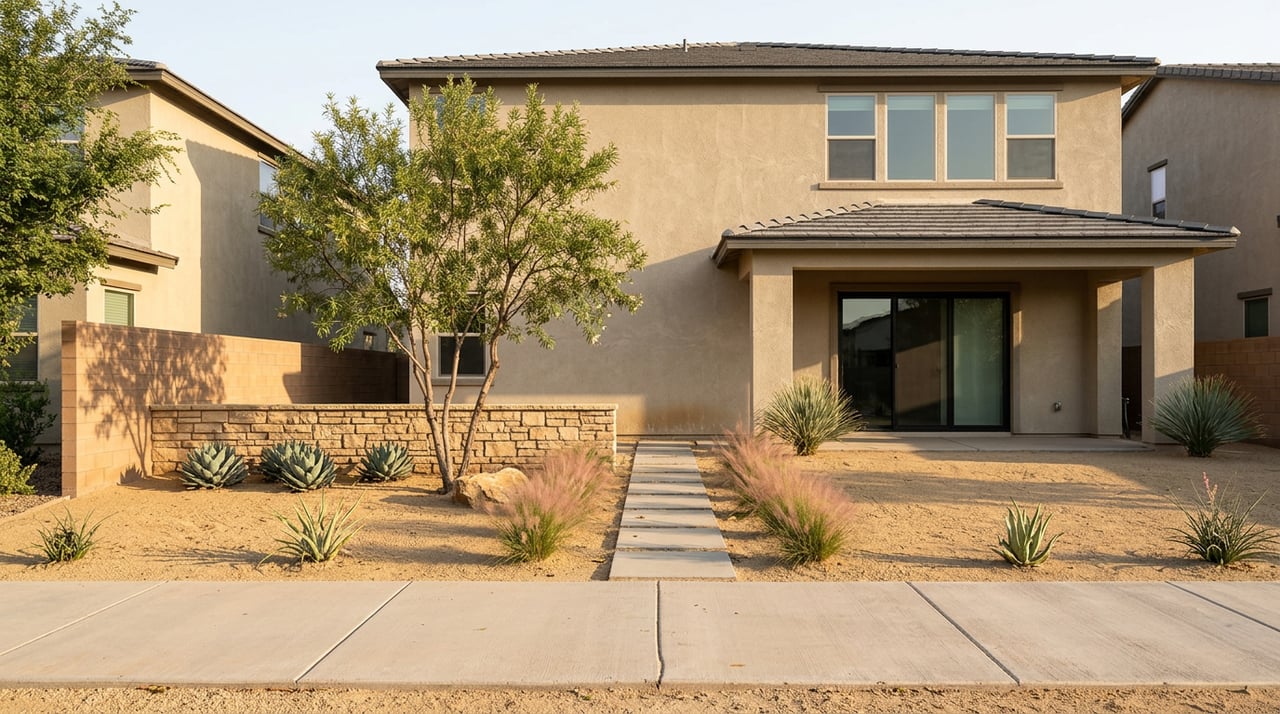
The city also gives you more than one housing path. According to the Clark County Assessor, about 75% of North Las Vegas housing units are single-family detached homes and about 24% are attached homes, so many first-time buyers end up comparing detached resale homes with townhome-style or attached options.
Step 1: Set Your Budget First
Before you tour homes, get clear on your monthly comfort zone. Census QuickFacts shows a median monthly owner cost with a mortgage of $1,847 in North Las Vegas, which gives you a useful local baseline for payment planning.
You should also remember that your monthly payment is only part of the picture. Your total budget may include your down payment, closing costs, homeowner’s insurance, and move-in expenses.
One local expense that is easy to miss is utilities. The City of North Las Vegas says residential utility service requires a minimum $150 deposit when service is requested, so it helps to build that into your moving budget early.
Step 2: Shop Lenders and Compare Options
One of the smartest first moves is lender shopping. The Consumer Financial Protection Bureau recommends comparing banks, credit unions, and organizations that specialize in first-time buyers rather than accepting the first quote you receive.
Even a small rate difference can affect your monthly payment and long-term cost. When you compare options, ask about interest rate, fees, down payment requirements, and the estimated cash you will need at closing.
This step also helps you understand your true buying range before you fall in love with a home. A solid preapproval can make your offer feel stronger in a market where some homes still attract multiple offers.
Step 3: Check Assistance Programs Early
If you think you may qualify for homebuyer help, do not wait until you are already writing offers. The Nevada Housing Division says assistance funds are generally for a primary residence, can be income-limited, and may include special property requirements, such as a mobile home needing to be affixed to a foundation.
For buyers in this area, the state also lists Clark County Community Resource Management as the contact for Clark County-area assistance. Starting early gives you time to confirm eligibility and understand any paperwork or timing requirements before you are under contract.
Step 4: Narrow Your Home Search Strategically
North Las Vegas is not a one-price-fits-all market. Zillow neighborhood values show a wide range, from about $392,800 in Tesoro to $515,589 in Geyser Peak, which means your experience can vary a lot depending on the area and home type you choose.
As you narrow your search, think beyond bedrooms and bathrooms. Consider your commute, whether you prefer an attached or detached home, and how comfortable you are with HOA rules and dues.
This is especially important in a city that is planning for continued growth. North Las Vegas is updating its comprehensive master plan, and the Tule Springs East area plan points to future growth, new homes, and infrastructure, so some buyers will be weighing established resale neighborhoods against newer planned areas.
Step 5: Understand the Pace of the Market
A first-time buyer does not need to panic, but you do need to be prepared. Redfin describes North Las Vegas as somewhat competitive, with homes selling in about 46 days on average, receiving about 1 offer on average, and some hot homes going pending in around 16 days.
That means you may have time to think carefully on some homes, while others will move fast. It also means preparation matters. If your financing is lined up and your priorities are clear, you can act quickly when the right property appears.
Step 6: Review HOA Documents Carefully
Many first-time buyers focus heavily on the house and not enough on the HOA. If the property is in an HOA, the Nevada Real Estate Division says you should receive a resale package that includes the declaration and CC&Rs, bylaws, rules and regulations, buyer information statement, budget and financial information, reserve details, and fee and litigation statements.
These documents tell you what ownership will really feel like. They can reveal monthly dues, special assessments, reserve strength, transfer fees, and rules that affect how you use the property.
Timing matters too. NRED says the resale package remains effective for 90 calendar days, and buyers generally have a 5-day cancellation window after receipt. Current NRED guidance also lists a maximum resale-package charge of $213.84 and an expedited fee of up to $100, which are costs worth noting when you are budgeting for closing.
Step 7: Schedule an Independent Inspection Fast
Once you are under contract, move quickly on the inspection. The Consumer Financial Protection Bureau advises buyers to use an independent inspector, attend the inspection if possible, and leave enough time to negotiate repairs, credits, or cancellation if the contract allows it.
In Nevada, you can also verify the inspector’s credentials. Residential inspectors are certified under Chapter 645D, which gives you a way to confirm proper certification before hiring someone.
This step matters because neither a seller disclosure nor an appraisal replaces a full home inspection. A careful inspection can help you understand the condition of major systems and avoid expensive surprises after closing.
Step 8: Read the Seller Disclosure
Nevada requires sellers to disclose known defects and material conditions through the state’s Seller’s Real Property Disclosure Form. That disclosure can give you important context about the property’s history and known issues.
Still, the Nevada Real Estate Division says the disclosure is not a substitute for an inspection. Read it closely, ask questions when something is unclear, and compare it against what your inspector finds.
Step 9: Be Ready for the Appraisal
If you are financing your purchase, your lender will usually require an appraisal. The CFPB says an appraisal is an independent opinion of value based on comparable local sales and property features, and lenders generally provide copies no later than three days before closing.
If the value comes in lower than the contract price, the deal may need to be renegotiated or reviewed more closely. This is one reason your agent’s pricing guidance and local market knowledge matter so much.
If you are using FHA-insured financing, there is one more point to know. HUD says the appraisal also checks for visible deficiencies that affect livability, but it is not a warranty of condition and does not replace a home inspection.
Step 10: Prepare for Closing Costs and Final Cash Needed
Your down payment is only one part of what you need to bring to the finish line. The CFPB’s closing guidance reminds buyers to plan for homeowner’s insurance, title insurance, and the final review of loan documents and settlement charges before signing.
This is why many first-time buyers benefit from reviewing estimated cash-to-close numbers more than once during the process. A little planning here can prevent last-minute stress.
A Simple North Las Vegas Buyer Checklist
Here is a practical way to stay on track:
- Set a monthly budget based on your comfort level
- Shop multiple lenders and compare loan estimates
- Check Nevada and Clark County assistance options early
- Decide whether you want detached, attached, or newer-construction options
- Narrow neighborhoods by price, commute, and HOA structure
- Get preapproved before seriously touring homes
- Review HOA resale documents before removing contingencies
- Schedule an independent inspection right away
- Read the seller disclosure carefully
- Prepare for appraisal, closing costs, insurance, and utility deposits
Why Guidance Matters for First-Time Buyers
Buying your first home is not just about finding a property online. It is about making smart decisions at each step, especially in a market where pricing, property type, HOA details, and growth patterns can vary widely from one part of North Las Vegas to another.
The right guidance can help you compare options clearly, avoid rushing through important documents, and keep your budget aligned with your long-term goals. For many buyers, that support makes the process feel less stressful and a lot more manageable.
If you are thinking about buying your first home in North Las Vegas, The Hellewell Home Group can help you understand the market, compare your options, and move forward with a clear plan.
FAQs
What is the typical home price for first-time buyers in North Las Vegas?
- Recent public market snapshots place North Las Vegas around the low-$400,000s, including figures such as a $418,749 median sale price on Redfin and a $402,667 median sale price on Zillow.
How competitive is the North Las Vegas housing market for first-time buyers?
- Redfin describes North Las Vegas as somewhat competitive, with homes selling in about 46 days on average, about 1 offer on average, and some hot homes going pending in around 16 days.
What home types are common in North Las Vegas for first-time buyers?
- According to the Clark County Assessor, North Las Vegas housing is made up of roughly 75% single-family detached homes and about 24% attached homes, so buyers often compare both types.
What should North Las Vegas buyers review in an HOA resale package?
- Nevada Real Estate Division guidance says the package can include CC&Rs, bylaws, rules and regulations, budget and financial information, reserve details, and fee and litigation statements.
What extra costs should first-time buyers plan for in North Las Vegas?
- In addition to the down payment, buyers should plan for closing costs, homeowner’s insurance, title-related charges, and local move-in expenses such as the City of North Las Vegas utility deposit of at least $150.